
Not sure which roof is right for your Myrtle Beach home? Compare asphalt, architectural shingle, metal, and tile for coastal wind, salt air, and humidity.
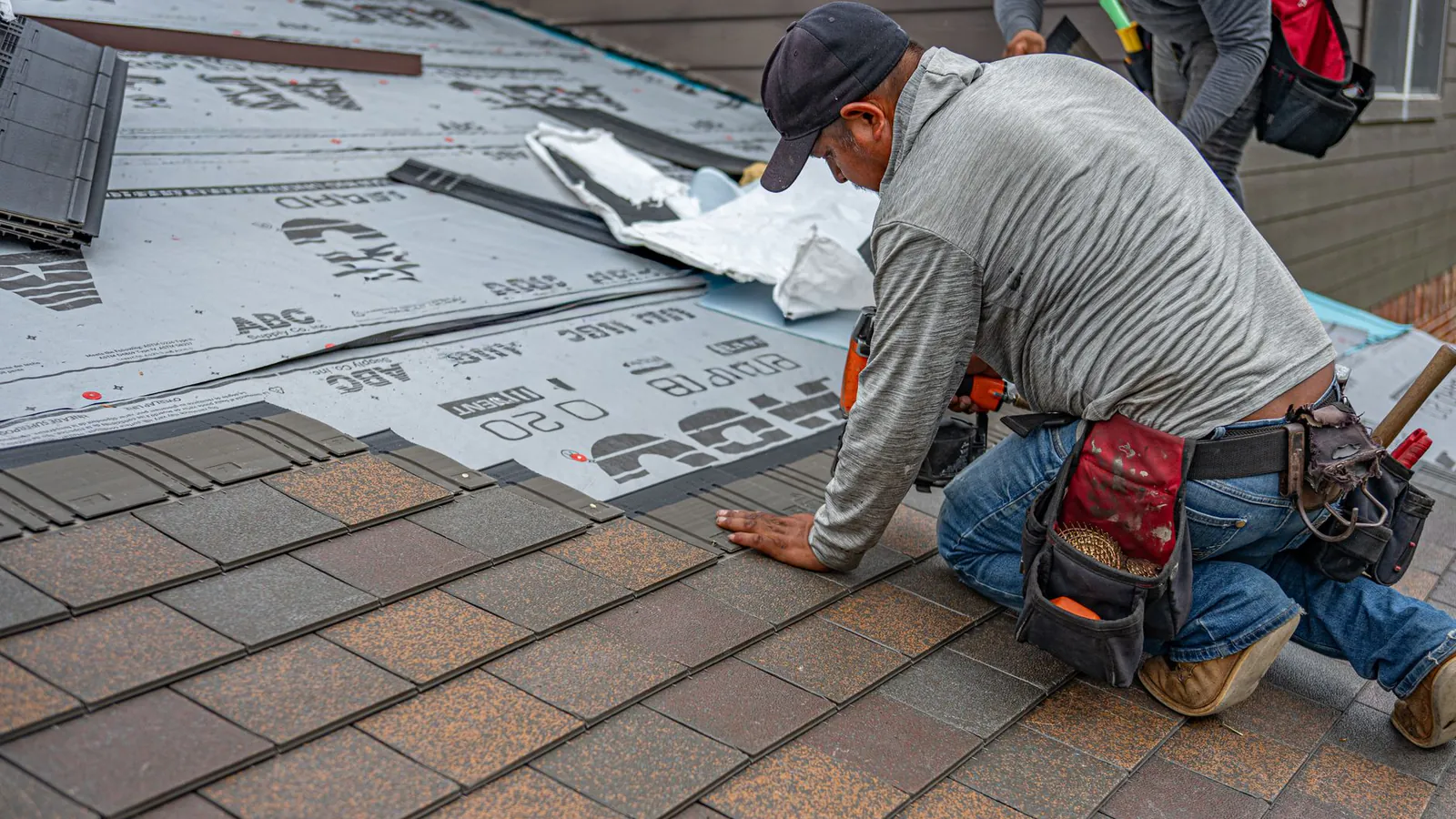
The right roofing material for a Myrtle Beach home (asphalt shingle, architectural shingle, metal, or tile) comes down to three things: how well it stands up to salt air, wind, and humidity, how it fits your budget, and how it suits your home’s style and structure. Each of these materials handles those factors differently, which is why the “best” option really depends on what matters most to you. Here’s how to compare them and choose with confidence.
The right roofing material for a Myrtle Beach home (asphalt shingle, architectural shingle, metal, or tile) comes down to three things: how well it stands up to salt air, wind, and humidity, how it fits your budget, and how it suits your home’s style and structure.
Why Myrtle Beach’s Coastal Climate Changes the Equation
A roof in Horry County works harder than one further inland. Between salt in the air, the humidity of a barrier-island climate, and the wind that comes with coastal storms, some materials simply hold up better here than others. Understanding these factors makes it easier to compare roofing materials for your specific home.
Salt Air and Corrosion
Salt carried in coastal air can accelerate wear on roofing materials over time, especially anything prone to corrosion. Metal roofing with a quality corrosion-resistant coating tends to handle salt exposure better than uncoated or lower-grade metal, and manufacturers often note that homes very close to the shoreline need extra attention to coating and installation details. Asphalt shingles are not metal, so they don’t “rust,” but salt, sun, and moisture together can still speed up granule loss (the gradual wearing away of the protective mineral granules on a shingle’s surface) and general wear.
Wind and Storm Exposure
Coastal Carolina homes are built to face stronger wind than homes inland, and roofing materials are rated for how much wind uplift they can resist. Rather than quoting a single wind-speed number here, it’s worth knowing that the exact wind and code requirements for your roof depend on your specific address and are set by your local building and licensing office, not a single figure that applies to every home in the region. When you’re comparing materials, ask about each product’s tested wind rating and how it’s installed, since fastening pattern affects real-world performance as much as the material itself.
Humidity and Moisture
High humidity and frequent rain can shorten the life of a roofing system that isn’t ventilated or installed correctly, regardless of material. Good attic ventilation, proper underlayment (the water-resistant barrier installed beneath the shingles or panels), and quality flashing (the metal detailing that seals joints, valleys, and edges against water) matter just as much as the shingle or panel you choose on top. This is one more reason material choice and installation quality go hand in hand for a coastal home.
Good to know: Wind ratings and code requirements are not one-size-fits-all: they vary by exact address and are determined by your local building/licensing office. Confirm the specification that applies to your home before you settle on a material.
Comparing Roofing Materials for a Myrtle Beach Home
Here’s a general, educational comparison of the roofing materials most commonly discussed for coastal Carolina homes. This is industry-wide information, not a list of what any specific contractor installs. Use it as a starting point, then talk through the right fit for your home and budget with a local professional.
| Material | Coastal performance | Typical lifespan | Upfront cost |
|---|---|---|---|
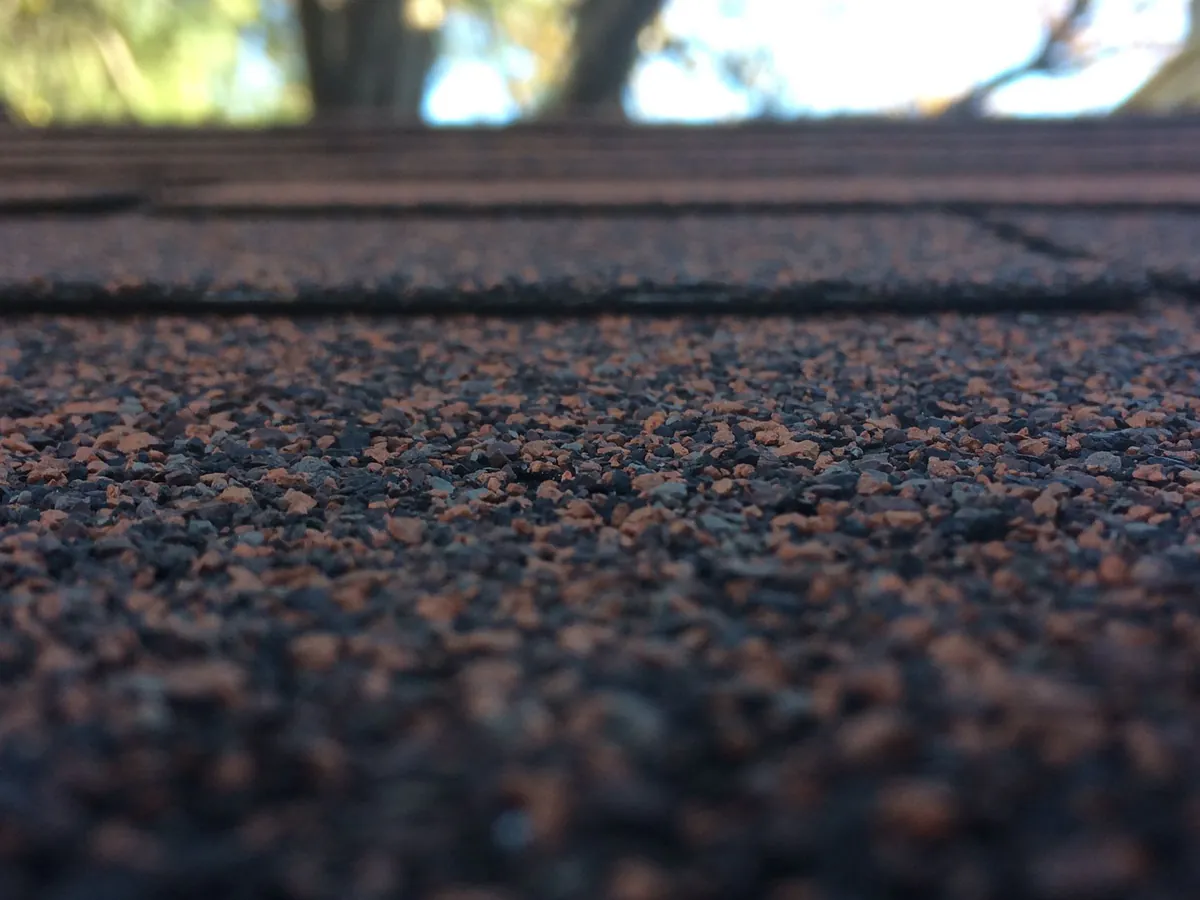
| Asphalt shingle (3-tab) | Asphalt shingle (3-tab) is the lowest-cost roofing option, but it is more prone to granule loss and faster wear from salt air, UV, and humidity over time. | Shortest of the four options | Lowest |
| Architectural / composite shingle | Architectural/composite shingle (a thicker, multi-layered asphalt shingle, sometimes called a dimensional shingle) offers better wind resistance and durability than 3-tab asphalt shingle, making it a common middle-ground choice for coastal homes. | Longer than 3-tab asphalt | Moderate |
| Metal (standing seam) | Metal roofing, typically installed as standing seam (raised, interlocking vertical panels), delivers strong overall performance against wind, salt, and UV exposure among common roofing options, though coating quality matters near the coast. | Longest of the common options, often measured in decades | Highest upfront |
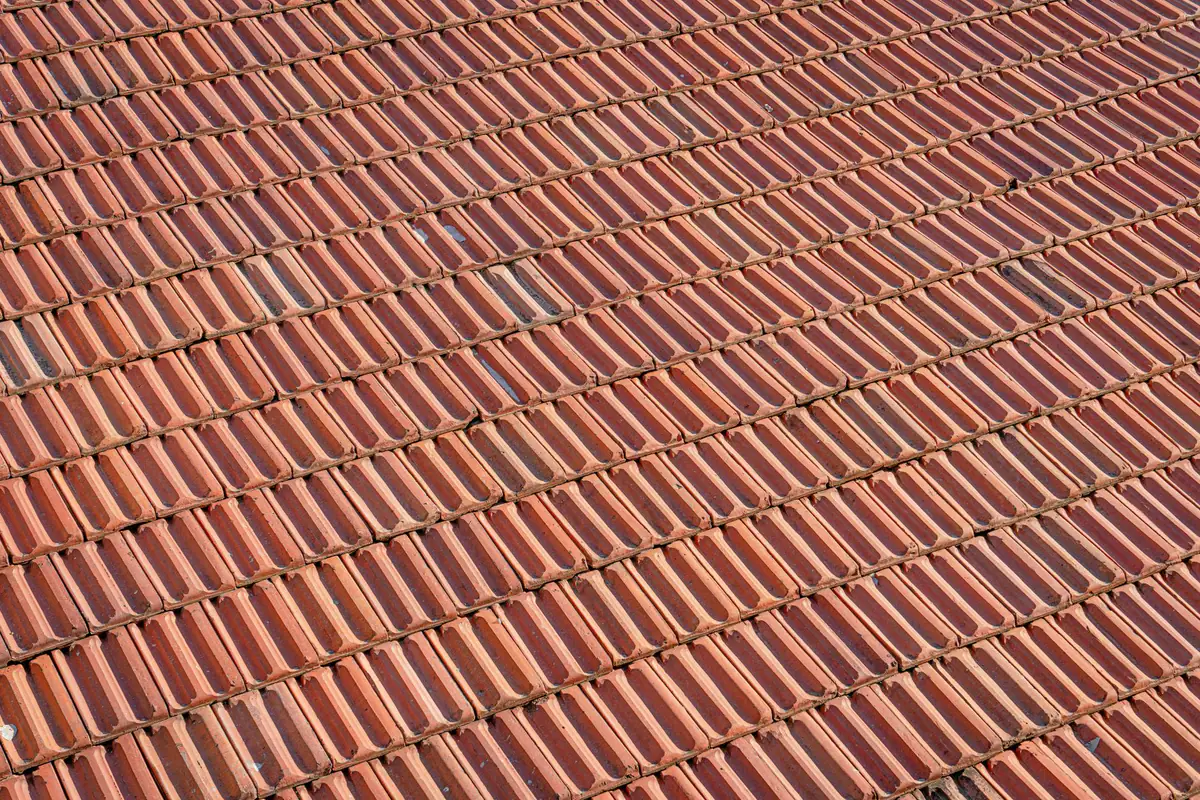
| Clay / concrete tile | Clay/concrete tile offers good wind resistance when properly fastened, but its added weight means some roof structures need evaluation before installation. | Very long-lasting | High |
How to Choose the Right Material for Your Home
Start With Your Budget
Roofing is a long-term investment, so it helps to think in terms of cost over the life of the roof, not just the upfront number. A lower-cost asphalt shingle may fit your budget today, while a metal or tile roof costs more now but can mean fewer replacements down the road. Neither answer is wrong; it depends on how long you plan to stay in the home and what you’re comfortable spending upfront.
Match Your Home’s Style and Structure
Architectural style plays a role in choosing a roofing material: standing seam metal reads differently than shingles on a traditional single-family home, and tile can be a striking option but adds significant weight. If you’re considering a heavier material like tile, it’s worth having your roof structure evaluated first to confirm it can support the added load before you commit.
Get a Professional Evaluation Before You Decide
A general roofing material comparison is a starting point, not a final answer: the right material for your home depends on its age, current roof condition, exposure to wind and salt air, and your budget. Top GM Construction is a licensed, insured roofing contractor serving Myrtle Beach and the surrounding area, and we stand behind our work with a comprehensive warranty that covers both materials and labor. Walking your home with a professional before you choose a material is the fastest way to avoid surprises later.
FAQ
What’s the most durable roofing material for a Myrtle Beach home?
Metal roofing is generally considered the strongest performer against wind, salt air, and UV exposure among common roofing options over the long term, though clay and concrete tile also hold up well when properly installed. The right choice still depends on your budget and your roof’s structure.
How often should a roof be replaced in a coastal climate?
It varies by material and how well the roof was ventilated and installed, since salt air, humidity, and sun exposure can accelerate wear compared to inland homes. A professional inspection is the most reliable way to know where your specific roof stands.
Can roofing material affect insurance costs?
It can in some cases: wind-resistant roofing may qualify for benefits through voluntary programs like the IBHS FORTIFIED standard, which some insurers recognize. Availability and eligibility vary, so confirm current details directly with your insurer rather than assuming a specific discount applies.
Get a Free Quote
Ready to talk through your roofing project? Get a free quote from Top GM Construction and our team will contact you as soon as possible via email and phone.
Or Give Us a Call At 843-823-3000