
Planning a roof replacement in Myrtle Beach? Learn the signs it's time, coastal SC factors to consider, and how to get a free quote from Top GM Construction.
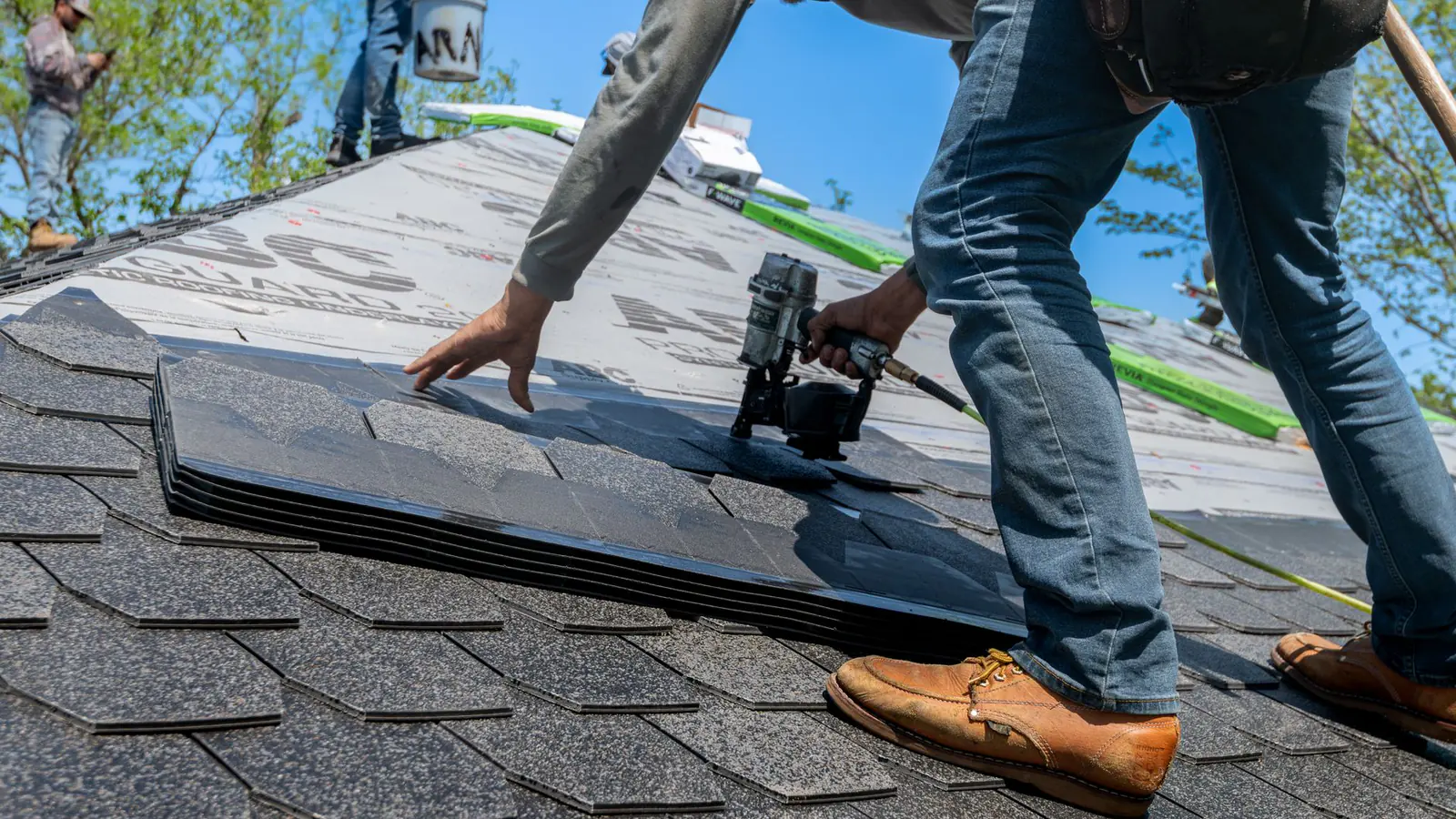
A roof replacement in Myrtle Beach, SC means removing the existing roofing system and installing a new one, usually because the roof is showing its age or has taken storm damage that needs a closer look. Either way, a roof replacement here isn’t quite the same project as it is a hundred miles inland. Salt air, humidity, and hurricane-strength wind all put extra wear on a Grand Strand roof, and Horry County has its own permitting and code considerations to plan around. This guide walks through the signs it’s time to replace, what coastal conditions do to your roof, and what to expect before you call a roofing contractor.
A roof replacement means removing the existing roofing system and installing a new one, and coastal factors like salt air, humidity, and hurricane-strength wind make Myrtle Beach a different case than homes further inland.
Signs You Need a Roof Replacement, Not Just a Repair
Not every roofing issue means a full tear-off. A few warning signs typically point to replacement rather than a patch job:
- Shingles that are curling, cracking, or missing outright
- Heavy granule loss (you’ll often spot granules collecting in gutters or downspouts)
- A sagging roofline, which can indicate moisture damage to the decking underneath
- Water stains or peeling paint on interior ceilings and walls near the roofline
- Leaks that keep showing up in different spots after repairs
- A roof that’s 20+ years old, especially if it was installed over an existing layer
If you’re seeing more than one of these, it’s worth having your roof looked at before the next storm rolls through. You can reach out to our team for an inspection rather than guessing whether you need a repair or a full replacement.
Why Myrtle Beach’s Coastal Climate Wears Down Roofs Faster
A roof on the Grand Strand works harder than the same roof would inland. Salt air, humidity, UV exposure, and repeated wet-dry cycling all speed up the aging process for asphalt shingles; even shingles carrying a “30-year” manufacturer rating tend to lose granules and dry out faster near the coast. On top of that, Horry County sits in one of the more hurricane-exposed parts of the U.S. Atlantic coast, with a long history of significant storms affecting the area, from Hurricane Hazel in 1954 to more recent storms like Matthew, Florence, and Ian. That combination of everyday coastal wear and periodic high-wind events is exactly why roofing decisions here should factor in more than just curb appeal.
Choosing a Roofing Material for Coastal Wind and Salt Air
For wind resistance in coastal conditions, industry sources generally rank roofing materials in this order, from most to least wind-resistant. Material choice matters more here than in a lot of other markets:
- Standing-seam metal roofing
- Tile
- Architectural (laminate) asphalt shingles
- Older 3-tab shingles
That said, actual field performance depends heavily on installation quality: correct fastening patterns, starter strips, and edge treatment matter as much as the material itself. Our team can walk you through the options that make sense for your home’s location, budget, and how close you are to the water, as part of a roof installation and replacement conversation.
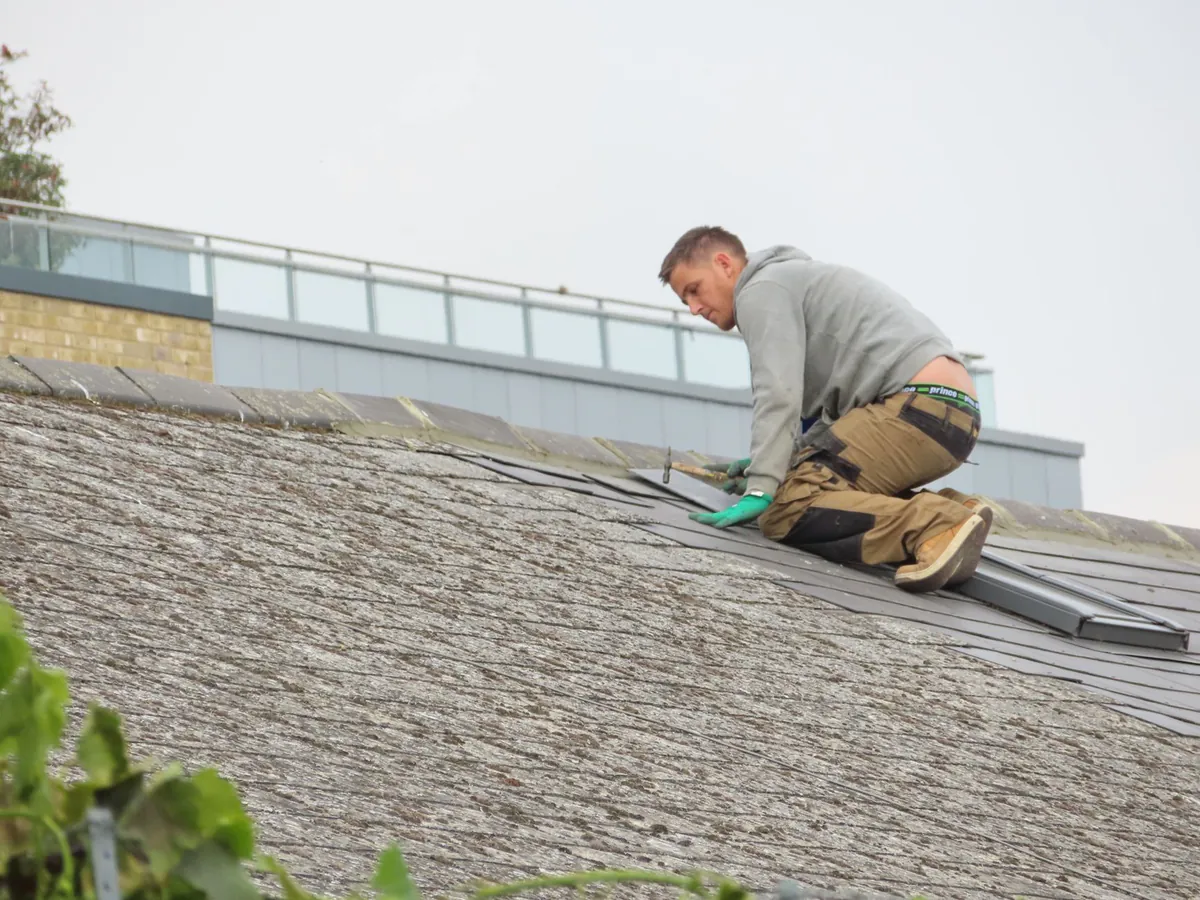
If you’re weighing a full exterior refresh, it’s also worth looking at how your siding and windows are holding up to the same coastal exposure, since they tend to age on a similar timeline.
Permits and Building Codes for Roof Replacement in Horry County
South Carolina has adopted the 2021 International Residential Code and International Building Code, with state modifications, effective for local jurisdictions since January 1, 2023, and that code sets the wind-design baseline for roofing work in Horry County. Because the area falls into a high design-wind-speed zone, coastal homes generally need higher-wind-rated materials and installation methods than homes further inland, though exact requirements depend on your property’s specific distance from the coast.
Horry County generally requires a building permit when a roof replacement involves replacing structural sheathing or decking. A straightforward like-for-like shingle replacement without sheathing work may be exempt, but that determination should be confirmed directly with Horry County Code Enforcement before work starts. Don’t assume either way. Working with a licensed general contractor who pulls the right permits and understands local code requirements protects you from headaches (and potential resale issues) down the road. Top GM Construction is a licensed and insured contractor serving Myrtle Beach and the surrounding area.
Will Insurance Cover Your Roof Replacement?
If your roof replacement is being driven by storm damage, your homeowners insurance may cover part or all of the cost, but coverage depends on your policy, the cause of damage, and your insurer’s claims process, so there’s no universal answer. Documentation matters: photos, an inspection report, and a clear scope of work all help support a claim.
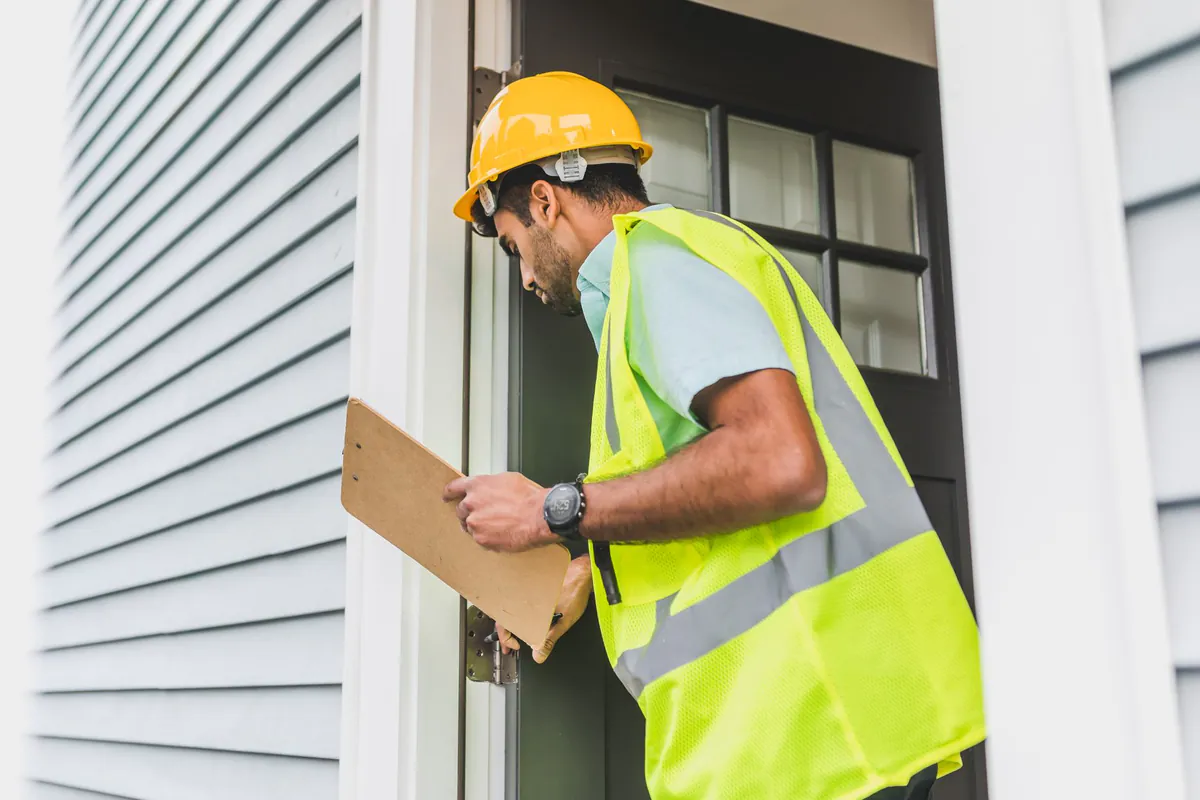
You may also come across “FORTIFIED Roof,” a construction standard developed and administered by the Insurance Institute for Business & Home Safety (IBHS), a nonprofit research organization, not a government program. It requires upgrades beyond standard code at the roof deck connections, roof edges, and deck gaps, verified by third-party evaluation. IBHS’s own program materials list specific states with confirmed insurer discount programs, and South Carolina availability varies by insurer. If a FORTIFIED roof or a potential premium discount is part of your decision, ask your insurance agent directly what applies to your policy before assuming a discount is guaranteed.
What to Expect When You Replace Your Roof
Every project is a little different, but a roof replacement with Top GM Construction generally follows the same process we use across our projects:
- Initial Consultation: we look at your roof, discuss what you’re seeing, and talk through options
- Detailed Estimate: you get a clear scope of work before anything is signed
- Contract Signing: terms and expectations are set in writing
- Pre-Construction Meeting: we confirm materials, timeline, and logistics before crews arrive
- Execution: the tear-off and installation itself
- Final Walkthrough: we review the finished roof with you before calling the job done
On the physical work itself, industry sources note that a typical tear-off and install takes roughly one to two days once materials are on site for an average home, with larger or more complex roofs taking longer. If a storm damage claim is involved, the insurance adjuster and claims process (not the actual installation) is usually the longest part of the overall timeline. We stand behind our roofing work with a warranty that covers both materials and labor; ask us for the specifics that apply to your project.
We serve homeowners throughout Myrtle Beach, North Myrtle Beach, Conway, Surfside Beach, Murrells Inlet, and Little River.
Frequently Asked Questions
How do I know if I need a roof replacement or just a repair?
Look for multiple warning signs together: curling or missing shingles, granule loss, sagging decking, interior water stains, or repeated leaks in different spots. A single minor issue might just need a repair; several of these together, or a roof over 20 years old, usually points to replacement. An inspection is the most reliable way to know for sure.
How often should a roof be replaced in a coastal South Carolina climate?
Coastal exposure (salt air, humidity, UV, and wind) tends to shorten roof lifespan compared to inland installations, even with materials rated for 20-30+ years. There’s no single fixed number that applies to every roof, since it depends heavily on material, installation quality, and maintenance, but coastal homeowners should expect to inspect and plan for replacement sooner than an inland homeowner might.
Do I need a permit to replace my roof in Horry County?
It depends on the scope of work. Horry County ties the permit requirement to whether structural sheathing or decking is being replaced, not to the roof replacement itself. The safest step is to ask Horry County Code Enforcement (or have your contractor confirm) before any tear-off begins, rather than assuming your project is or isn’t exempt.
Will my homeowners insurance pay for a storm-damaged roof?
Whether homeowners insurance covers a storm-damaged roof depends on your specific policy and the cause of the damage. Documenting the damage and getting a professional inspection helps support a claim, but coverage decisions are made by your insurer, so check your policy or talk to your agent for specifics.
What is a FORTIFIED roof, and will it lower my insurance premium?
FORTIFIED Roof is a construction standard run by IBHS, a nonprofit research organization, involving beyond-code upgrades and third-party evaluation. It is not a government program at the state or federal level, and insurer discount availability varies by state and by insurer. Ask your insurance agent whether a discount applies in your area before factoring it into your budget.
How long does a roof replacement actually take?
Faster than most homeowners expect: the crew work itself usually wraps up in one to two days for an average-sized roof once materials are delivered. What actually stretches a project out is the paperwork side, namely waiting on an insurance adjuster or claims approval, not the physical tear-off and install.
Get a Free Quote
Ready to talk through your roof replacement? Get a free quote from Top GM Construction and our team will contact you as soon as possible via email and phone.
Or Give Us a Call At 843-823-3000
Sources: National Weather Service Charleston, SC: Tropical Cyclone History for Southeast South Carolina; South Carolina DNR State Climatology Office: South Carolina Hurricanes Comprehensive Summary; SC Building Codes Council / LLR: SC Code Adoption Notice; Horry County Government: When to Get a Building Permit; IBHS FORTIFIED Home: Frequently Asked Questions.